
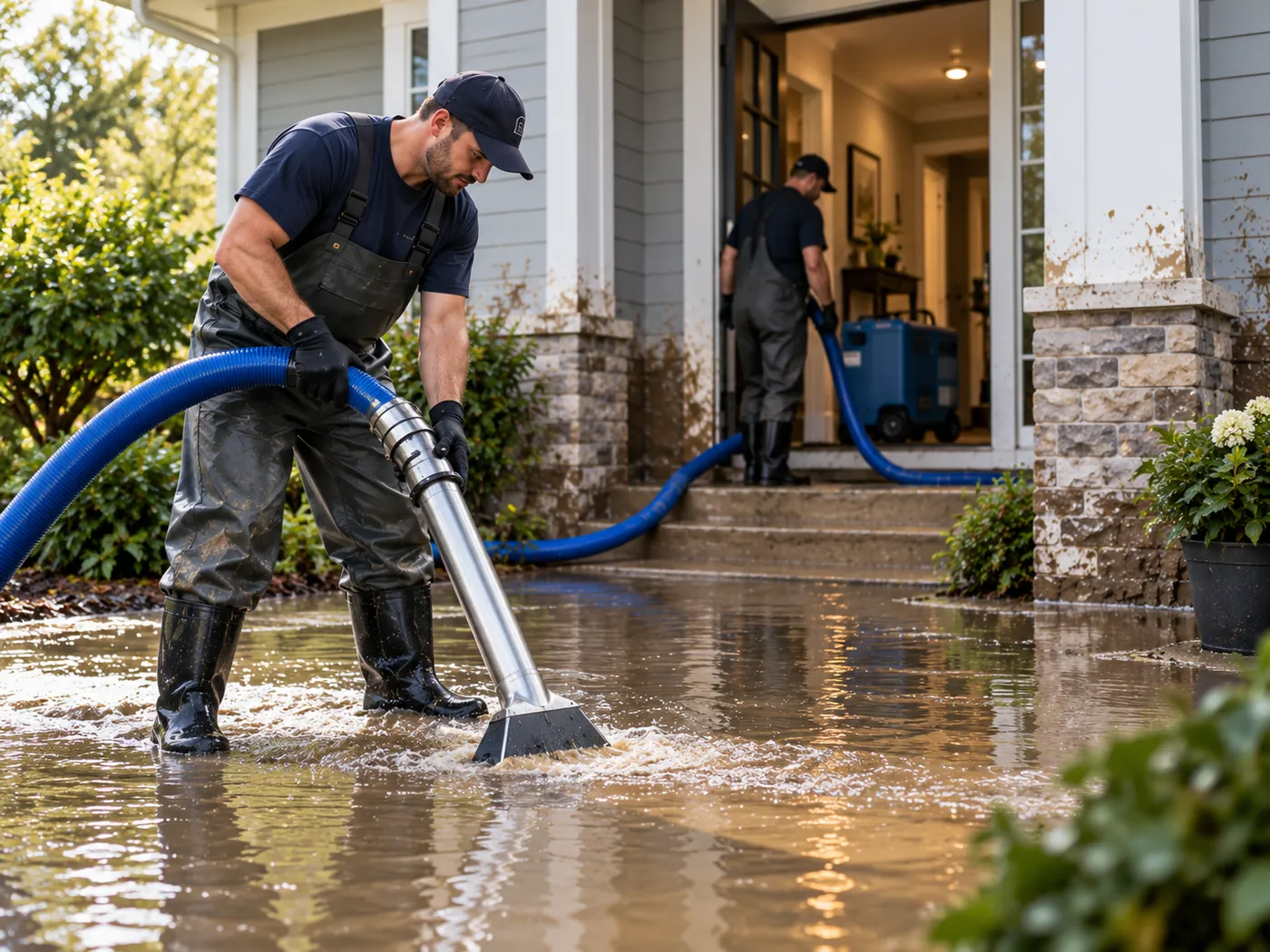
Commercial and strata restoration coordinates mitigation, drying, reporting and access across managed buildings so owners, tenants and insurers can make informed decisions quickly.
What does commercial & strata restoration include?
Multi-unit and commercial losses require more than drying one room. We map affected zones, coordinate access, document moisture readings, protect occupied areas and communicate the restoration plan to the relevant stakeholders. The aim is to reduce disruption while keeping decisions traceable from first attendance through final verification.
When should you call?
- A leak affects multiple lots or tenancies
- A common-area pipe fails
- A commercial floor or office is wet
- Building management needs documented moisture readings
How the process works
- 01Establish affected zones and stakeholders
- 02Control water and protect occupied areas
- 03Extract and map moisture
- 04Install staged drying and filtration
- 05Report progress and coordinate next trades
Why measured restoration matters
Water can travel beyond the visible wet area into underlay, wall cavities, timber, subfloors and adjoining rooms. The restoration plan is based on source, contamination, material type and moisture readings rather than surface appearance alone. That helps reduce unnecessary removal while identifying materials that cannot be safely retained.
Commercial & Strata Restoration FAQs
Can you work with strata managers?
Yes. Clear communication, moisture records and defined work zones are particularly important in multi-unit buildings.
Can restoration happen while a business remains open?
Sometimes. Work can often be staged, but safety, contamination, noise and access determine whether areas can remain occupied.
Do you provide progress reports?
Restoration readings and site notes can support owners, property managers and insurers throughout the drying process.
Can you respond after hours?
The emergency line is available 24/7, which can help businesses start mitigation outside trading hours when access allows.